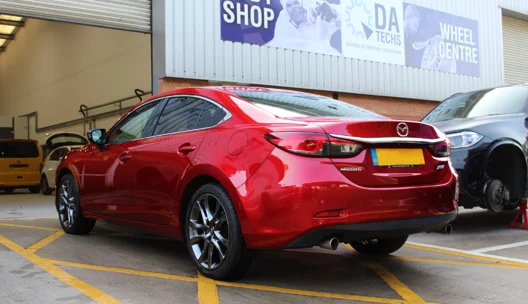
Leasing companies are thorough when it comes to checking for any cosmetic damage on your vehicle. If they spot any damage during their inspection, even if it’s relatively minor, you may be charged the new manufactured rate of the repairs or for any parts required.
To avoid this, and potentially save hundreds if not thousands of pounds, you need to understand the importance of professional end of lease repairs.
End of lease vehicle return guidelines
As your lease comes to an end, there are certain guidelines set by the BVRLA (British Vehicle Rental & Leasing Association) which must be followed to avoid charges when your vehicle is returned:
- Cleaning and inspection – You should thoroughly clean the interior and exterior of the vehicle. After this, inspect thoroughly to check for any damage.
- Fair wear and tear – Each leasing company has their own wear and tear (damage that doesn’t need repairing before return) guidelines, though these usually follow BVRLA standards. Check your company’s guidelines to be sure.
- Repairs – For any damage which exceeds fair wear and tear, you must organise professional body repair to avoid high charges from your leasing company.
- Gather documentation – Gather service history and MOT certificates (if possible) along with keys, spare tires and accessories.
What is considered excessive wear and tear on a lease car?
Whilst each leasing company may have slightly differing standards for ‘excessive wear and tear’, you can generally expect the following to be regarded as excessive:
- Exterior bodywork – Scratches, scuffs and scrapes on the exterior larger than 25mm on exterior bodywork.
- Wheels and tyres – Scuffs larger than 25mm on alloys, damage to spokes, and/or tyres below the legal tread depth of 1.6m (learn more about checking tyre wear).
- Windscreen and lights – Cracks, chips in the windscreen, and cracked light lenses.
- Interior – Burns, stains or rips to upholstery and carpets, as well as lingering odours.
- Missing items and mechanical issues – Missing keys or accessories, as well as internal mechanical issues.

What happens if you return your lease car without repairs?
If you return a leased vehicle without necessary repairs (damage beyond fair wear and tear), it’s likely that you’ll be forced to pay for repairs at much higher prices than if you’d got them before returning the car.
Your leasing company will perform a thorough inspection, documenting damage against their guidelines. Following this, you’ll be billed for damage which exceeds fair wear and tear.
You’ll find that repairs completed/sourced by your leasing company are almost always more expensive than ones you could get yourself.
Is it financially worth getting end of lease repairs?
In most cases, it is a sensible financial decision to get your vehicle repaired before returning it to your leasing company.
Leasing companies tend to charge non-negotiable inflated fees for repairs, whilst independent garages and specialists can provide repairs at a fraction of the cost.
The main scenario in which it may not be worth getting end of lease repairs (before you send your car back to the company) is for high cost damage, such as full panel replacements or high-end paintwork. In this case, it could be worth waiting for the leasing company estimate.

End of lease body repair with DA Techs
For high-quality end of lease body repair, DA Techs are your convenient and affordable car repair company. We work to the highest standards, at a fraction of the price of most traditional garages.
Get in touch with us today to book your end of lease repairs, or for more advice regarding returning your lease vehicle.